
If money makes the world go round, social capital is the fuel that keeps relationships in motion. But what exactly is social capital? Simply put, it’s the value embedded in your personal and professional networks—your ability to connect, collaborate, and leverage relationships for mutual benefit. Think of it as goodwill in your social bank account.
How Social Capital is Perceived: The “It” Factor
Social capital is like Wi-Fi—some people have a strong signal that attracts others effortlessly, while others are stuck refreshing, wondering why nobody’s connecting.
In many social circles, wealth, privilege, and influence can give the illusion of high social capital. The so-called “who’s who” of society may seem like social magnets, drawing people in with charm, exclusivity, and power.
The purpose of such designations in society is to bring order. The purpose customary powers (allowed to designations) is to facilitate change as we come to deal with the unknown.
Ideally, those in power, including knowledge, should use their influence to lead, innovate, and uplift others. Doctors discover illness, scientists invent new technology, corporations navigate the economy. Historically, kings led, protected and ruled the people. Our modern day kings – CEOs try to bring profits by being able to predict sales.
However, when these men treat power like an all-you-can-eat buffet, going back for more long after they’re full. Their identity gets tangled up in their title.

PC: Getty Images | Do you think the Broligarchy at the inauguration is a form of stable social capital?
Symbolism doesn’t lead to satiation. Titles, status, and authority may give the illusion of significance, but they don’t nourish meaningful relationships. A nameplate on the door or a VIP badge may open doors, but it won’t keep them open if there’s no substance behind it.
Those forms of social capital are about as stable as a sandcastle in high tide. Money can be lost, privilege can be revoked, and influence can fade faster than a viral meme.
The illusion of certainty leads to actions fueled by control rather than collaboration. This means decisions based on ego rather than service. When power becomes a trophy instead of a tool, social capital disintegrates.
What remains as the foundation of true social capital is—your character. Real connection, real influence—these aren’t built on symbols. They’re built on actions, on trust, and on the tangible ways you show up for others. It often boils down to:
- Authenticity – Do you show up as your real self, or are you just saying what others want to hear?
- Consistency – Are you reliable, or do you disappear when it’s inconvenient?
- Generosity – Do you add value to others, or are you just there for the take?
People perceive social capital as credibility, approachability, and influence all rolled into one. It’s not about how many LinkedIn connections you have—it’s about how many would actually vouch for you.
Social Capital is not a Popularity Contest
Unlike financial capital, social capital isn’t measured in dollars and cents. The goal isn’t always “more”. Social capital doesn’t work like that. You can’t just keep collecting people like Pokémon cards and expect meaningful connections.
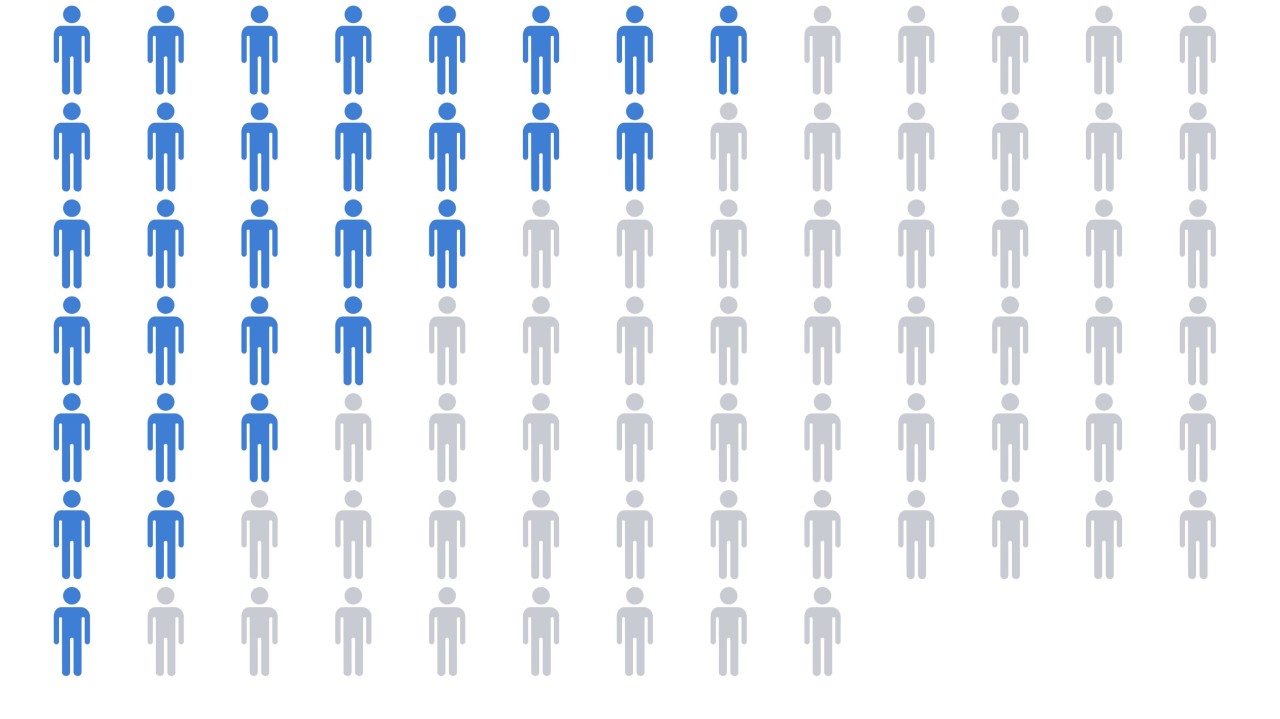
The average person maintains about 3-5 core social groups, and at max, maybe 8 different circles. Why? Because real relationships require time and effort to maintain. If you spread yourself too thin, connections become shallow, and social engagements start feeling transactional rather than meaningful. Just like money loses value when it’s printed endlessly, social capital loses strength when it’s overextended.

PC: Wikipedia | The Ambassadors by Hans Holbein the younger, 1533. It depicts wealth, power, and influence and a reminder that status is fleeting. The artist was throwing shade at clout-chasers long before social media made it mainstream.
Instead of asking, “How many people do I know?” ask, “How well do I know the people I engage with?” Strong social capital is about depth, not breadth. Researchers often assess it through factors like:
- Network size & diversity – It’s not just about knowing a lot of people; it’s about knowing the right mix of people. A diverse network provides access to different perspectives, opportunities, and resources. If your circle only reflects your own experiences, you’re limiting your growth. Think of it like a diet—variety keeps it healthy.
- Trust & reliability – Trust is the glue that holds social capital together. If people believe in your credibility and character, they will vouch for you and include you in meaningful opportunities. If you’re flaky or unreliable, however, people will remember—because no one likes making plans with a habitual last-minute canceler.
- Reciprocity & support – Relationships are a two-way street. If you only take and never give, people will catch on fast. Whether it’s offering advice, making introductions, or simply being there when needed, reciprocity ensures relationships are mutually beneficial rather than one-sided.
- Community engagement – Being involved in a community shows that you care about something beyond yourself. Whether it’s a professional network, a neighborhood group, or a local charity, contributing to shared goals builds trust and goodwill. People remember those who show up when it matters.
Instead of asking, “How many people do I know?” ask, “How well do I know the people I engage with?” Strong social capital is about depth, not breadth. It’s about showing up for your people—not just collecting their contact info like an overenthusiastic networker at a corporate mixer.
But beware—the flip side of reciprocity is obligation. If every favor comes with an unspoken “I’ll be cashing this in later,” relationships become more like business transactions than genuine connections. True reciprocity isn’t about keeping score—it’s about fostering trust without strings attached.
The Authenticity Factor: The Real Secret Sauce
Here’s the deal: authenticity isn’t just a buzzword—it’s the backbone of social capital. You can have a thousand connections, but if they sense you’re inauthentic, those relationships won’t hold weight. Being genuine builds trust, and trust is the cornerstone of any valuable relationship.
Authenticity isn’t just about how others perceive you—it’s also about how honest you are with yourself. If your outward persona is carefully curated but your inner dialogue is a mess of contradictions, that disconnect will eventually show. True authenticity brings a sense of peace within yourself, not just credibility with others.
The path to consistent and authentic behaviour is when your thoughts, words, and actions are in alignment. This includes how you handle negative emotions, your non-verbal cues, and even moments of indecisiveness.
People pick up on subtle signals—hesitation, discomfort, or insincerity can be just as telling as spoken words. When there’s a disconnect between what you think, say, and do, it creates confusion and distrust.
People naturally gravitate toward those who are comfortable in their own skin. The more authentic you are, the richer your social capital—not just externally, but internally as well.
So, want to grow your social capital? Be real, be reliable, and give more than you take. Like compound interest, the returns will surprise you!