
Last week, I was speaking with a marketing consultant about building her website. What began as a simple project discussion quickly turned into a deeper conversation about the evolving landscape of paid marketing, GTM tracking, and the increasingly complex metrics businesses rely on to make decisions.
Somewhere between comparing ad strategies and pixel placements, I found myself saying, “It’s so easy to build a strategy for others, but so difficult when we have to do it for ourselves.”
That line lingered longer than I expected.
It’s a bit like being a doctor and trying to take your own medicine. The diagnosis might be clear, the treatment obvious, but somehow applying the same logic inward doesn’t come as naturally. Maybe it’s because we’re too close to our own stories. There’s no healthy distance, no objective lens.
When it’s someone else, the decisions seem clearer. The steps feel actionable. The vision falls into place. But when we’re the ones holding the pen and drawing the map, suddenly the path gets murky.
The Strategy Paradox: Advice Is Easier When It’s Not Yours
And this isn’t limited to work or strategy. It shows up in the most human ways too.
We tell a friend to be strong, to hold their head high, to take the leap. We encourage boldness, resilience, letting go. Yet when we stand at our own crossroads, those very words feel heavier. It’s not that we don’t believe them. It’s just that embodying them is a different story.
Advice is easy. Perspective is easier. Until it’s personal.
I’ve been reflecting on why this happens. Why are we so good at helping others find clarity, but often feel stuck in our own decisions? Why do we dish out wisdom with confidence, but stumble when it’s time to apply it ourselves?
Maybe the answer lies in the fact that when it’s personal, it’s not just about logic. It’s about emotion, memory, ego, fear, hope. All those messy, beautiful things that make us human.
This dynamic shows up deeply in culture too, especially, in how we pass on advice generationally.
How easily mothers tell their daughters to study more, become independent, find purpose in life. And yet, especially in Indian households, those same mothers will live and breathe for their children, their family, or a sense of duty toward the “greater good.”
Culturally, women are taught to think beyond their needs. To be responsible to the point of self-sacrifice; like the nightingale in Oscar Wilde’s The Nightingale and the Rose.
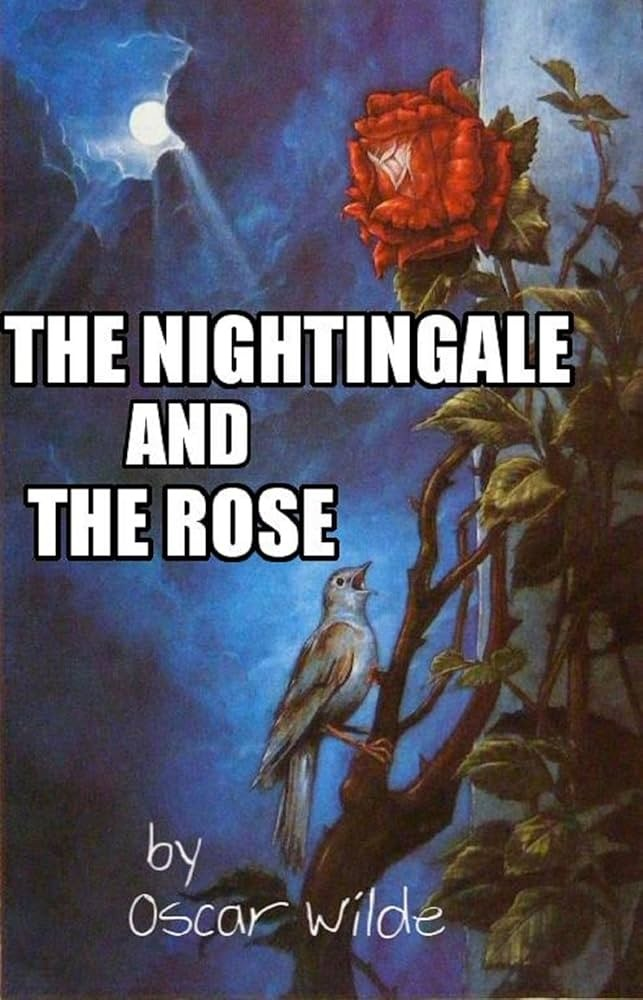
Men too are cultured into submission, mostly through the language of sports teams and military regiments. Their sense of duty may not live in everyday caretaking, but ironically it is glorified, commemorated and even ritualised.
So we end up living in a hypocrisy of our own making. All the while, hating hypocrisy in others, in society or in the world at large.
The Messy Reality of Growth
So whether it’s a marketing strategy, a career pivot, or a piece of life advice, we often find ourselves better at guiding others than guiding ourselves. But maybe that’s not a flaw. Maybe that’s just part of being self-aware. Part of knowing that advice is only half the journey.
Real clarity that leads to growth begins when we try to live by it. And as I sat with that thought a little longer, something else clicked.
Maybe the reason advice feels easier than action is because advice and mistakes are actually two sides of the same coin.
Think about it: advice is knowing what to do, in theory. Mistakes are what happen when we try to put that theory into practice and fall short. And falling short is inevitable. It is also essential.
Part of learning, part of evolving, is failing at the very thing we thought we knew how to do. The more we grow, the more we realize that wisdom isn’t in avoiding mistakes It is in surviving them. Sitting with them. Letting them teach us what advice never could.
The Answers We Ignore
What’s tricky, though, is that we often go looking outward for advice when the real answers live somewhere inside us. Not in a self-help book. Not in a consultation. But in that quiet inner space where discomfort meets clarity.
We ask, “What should I do?” hoping someone else will confirm what we already feel but are too afraid to trust.
That’s the tension. The dichotomy. The reason it is hard to strategize for ourselves, to take our own advice, to walk our own talk. Because advice feels clean. Mistakes are messy.
But it’s in the mess where we actually become who we’re trying to be.
The Certainty Trap
And there’s yet another layer to this whole riddle.
Our openness to advice: whether it’s from others or from our own inner voice. It is deeply tied to our beliefs and past experiences. The stronger the belief, the harder it becomes to truly listen.
Because the more we think we know, the less we feel the need to explore or question. And when we’re rooted in certainty, something else shows up: ego.
Not in a loud, arrogant way necessarily, but in that subtle, silent confidence that says, “I’ve already figured this out. I already know”
So we stop experimenting. We stop being curious. We stop letting anything in that might shake our view of what’s “right.”
And it’s not just about rejecting advice from others. Sometimes, we do the same with our own inner guidance. That tiny voice that nudges us to pause, to change direction, to try a different way. But if it challenges what we’ve already decided we know, we ignore it. We label it as fear or noise, instead of the wisdom it might be.
Certainty can feel like strength, but it can also be a wall. One that keeps us from growing.
Because true growth often means being willing to not know. To be wrong. To take in something new, even when it contradicts what we have believed for years.
Openness doesn’t mean we abandon our experience. It just means we leave the door ajar—for insight, for surprise, for evolution.