
When you hear the term white space, chances are you’re picturing a clean website layout, a minimalist poster, or perhaps a clutter-free app interface. In UI/UX design, white space (also called “negative space”) isn’t wasted at all. It is the breathing room that allows everything else to shine. Without it, no matter how good your content or product, the user’s eye and mind would be overwhelmed.
As typographer Jan Tschichold put it: “White space is to be regarded as an active element, not a passive background.”
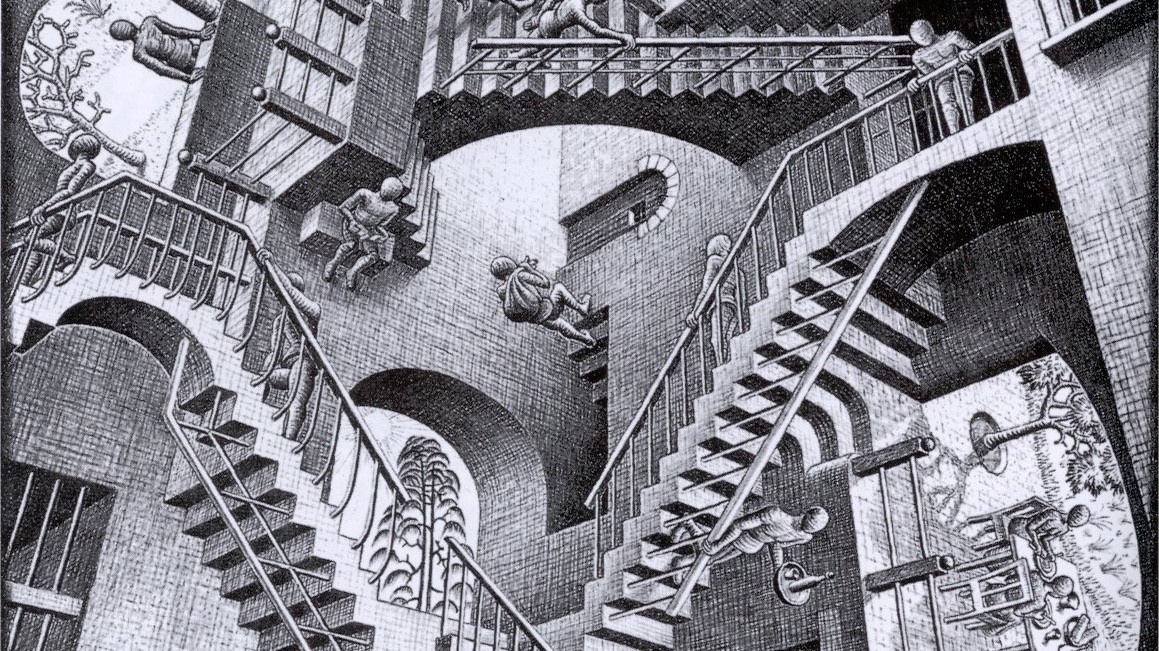
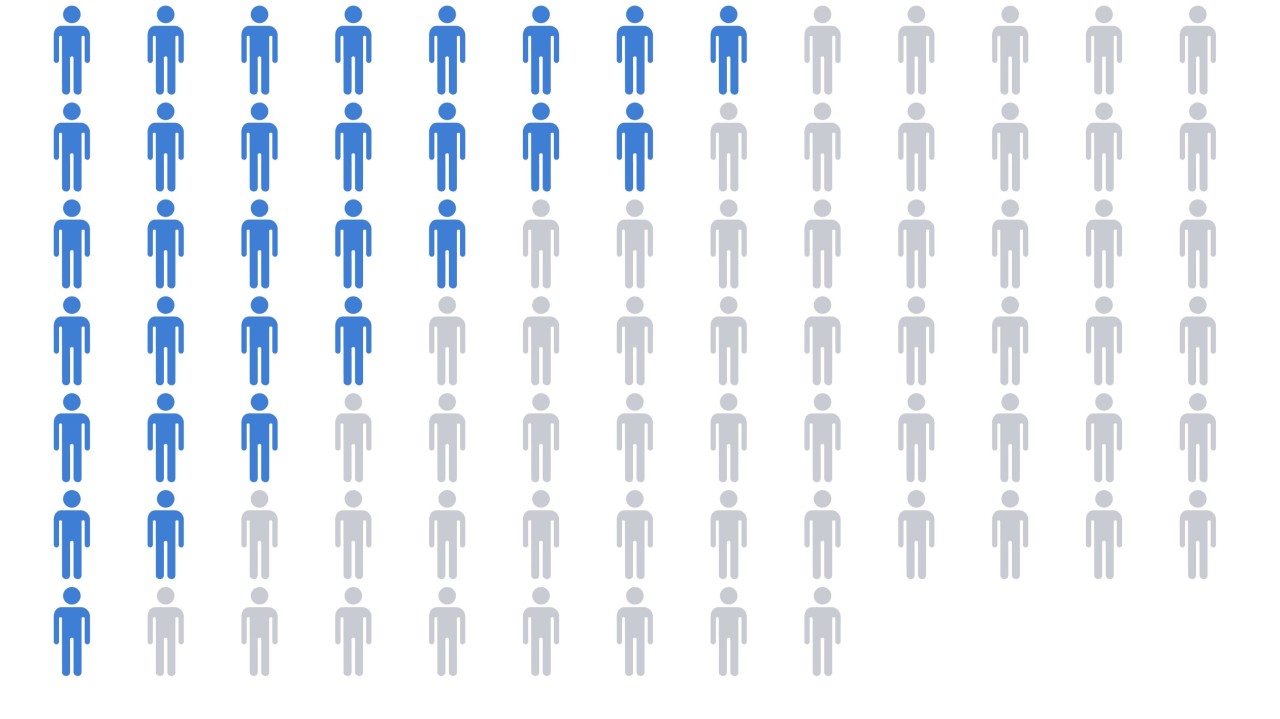
Now here is the thing: the same principle applies beyond design. White space is not just a design choice; it is a universal principle. Our bodies need it. The earth needs it. Our creativity and growth thrive on it. And yet, we live in a world obsessed with filling space with more. More tasks, more things, more money, more likes, more activity, more noise.
Let us flip that script and see what happens when we honor the power of white space.
White space in human healing
We often think healing is about doing something: taking a medicine, following a treatment, fixing what is broken. But the truth is, the human body has an astonishing capacity to heal itself if given the right conditions. And those right conditions often look like nothing. No activity, just boredom.
Think about it: when you sleep, your body goes into deep repair mode. Cells regenerate, hormones balance, muscles recover, and your brain’s glymphatic system flushes out toxins. None of this happens while you are cranking out late-night emails or binge-watching a show. It happens when you surrender to meaningful rest.
Science backs this up. The parasympathetic nervous system, sometimes called the “rest-and-digest” system, only activates when you are calm. It slows your heart rate, boosts digestion, and switches your body into healing mode. On the other hand, chronic stress traps us in fight-or-flight mode, which is great if you are running from a tiger but terrible if you are trying to recover from a cold, a surgery, or burnout.
In other words, your body requires white space. Not naps sandwiched between meetings, not scrolling TikTok in bed, but intentional nothingness. The real rest.
Here is another way to think about it. Imagine a cup filled with dirty water. If you keep pouring alkaline, mineral-rich water into it, the cup will simply overflow. It will carry the goodness out with the bad. Until you empty the cup, there is no space for clean water to settle. The same goes for healing. You can have the best food, supplements, or treatments in the world, but if you don’t create emptiness and quiet time, the body cannot hold the goodness. It just overflows.
And yet, in modern culture, rest is often deprioritised for productivity or profit. We forget that healing is not idleness. It is as good as survival.
John Lubbock reminds us: “Rest is not idleness, and to lie sometimes on the grass under trees, listening to the murmur of water, or watching the clouds float across the sky, is by no means a waste of time.”
White space in our lives is not indulgence. It is essential.
White space in the Earth’s healing
If you need a bigger example, just zoom out to our planet. Remember the eerie stillness of 2020 during the COVID-19 pandemic? Airplanes grounded. Highways empty. Cities silent. Human activity, for once, pressed pause.
That pause had measurable effects. Global CO₂ emissions dropped by about 6.4% in 2020, according to the Global Carbon Project. The ozone layer, which scientists had been fighting to protect for decades, showed accelerated recovery. Skies cleared over Delhi, fish reappeared in Venice canals, and people worldwide marvelled at how quickly the earth responded when given white space.
Why? Because nature always moves toward restoring balance. You see it at every scale. On a microscopic level, electrons in chemistry naturally move toward equilibrium. On a macroscopic level, the food chain maintains its own checks: a tiger kills not out of cruelty but to feed itself, while simultaneously controlling herbivore populations so that vegetation can thrive. The entire system is wired for balance provided it is given the space to do so.
The Taoists call this principle wu wei – effortless action, or non-doing. Sometimes, the greatest impact comes from restraint, from not interfering, from letting balance restore itself.
As naturalist John Muir wrote: “In every walk with nature one receives far more than he seeks.” This highlights something profound: abundance is nature’s default setting. Left to itself, it gives generously, restores balance, and renews without instruction. Contrast this with human behavior, where profit often outweighs prudence, and growth is pursued at the cost of equilibrium.
In essence, the same white space that brightens a website is also needed in nature — the pauses, the nothingness, the restraint, the room to breathe. Without it, imbalance is inevitable. With it, balance can be restored.
The Universal Principle of Space and Growth
The lesson here is bigger than design, bigger than health, bigger than even the planet. White space is a universal principle of growth. Take music. A melody is not just a string of notes; it is the pauses between them that make the rhythm, the silence that gives sound its meaning.
Claude Debussy put it bluntly: “The space between notes is what makes the music.”
Or take creativity. Neuroscience has shown that our brain’s “default mode network” (DMN) is crucial for imagination, memory consolidation, and problem-solving. DMN only activates when we are daydreaming, resting, or letting the mind wander.
In her book Peak Mind, Dr. Amishi Jha writes about her research that showed even short mindfulness practices (around 12 minutes a day) help to strengthen attentional networks and improve the brain’s ability to switch between focused doing and restful being.
People who meditate regularly display greater separation (anti-correlation) between the brain’s task-focused attention networks and the DMN. This means less mental fog, more capacity for innovation, imagination and reflection. Here, the ancient wisdom meets modern evidence: the very neural architecture of our minds depends on the “white space” we allow.
Many of history’s breakthroughs weren’t born in boardrooms or labs but in bathtubs and gardens. Newton was lounging under a tree when the apple fell. Archimedes was in the bath when he shouted “Eureka!” White space sparks invention.
Even in spiritual traditions, emptiness is not void but fertile ground. Buddhism speaks of shunyata (emptiness) as the space from which awareness and compassion arise. Across cultures, rest is not absence but intentional presence.
And let us not forget design itself. A webpage crammed with elements is unusable. A life crammed with obligations is unlivable. Ultimately, whether in pixels or in hours, white space is what makes everything else visible.
Making Space for Healing
So where does this leave us? With a simple but radical reminder: growth doesn’t always come from doing more. Healing doesn’t always come from adding things. Sometimes the greatest transformation comes from the negative space. From subtraction, from silence, from allowing nothingness to do its work.
This is as true for your body as it is for the planet, for your work as it is for your creativity. Without space, there is no room for renewal. With space, healing becomes not just possible but inevitable.
So maybe the real design challenge of our lives isn’t how much we can fill, but how much we can leave open.
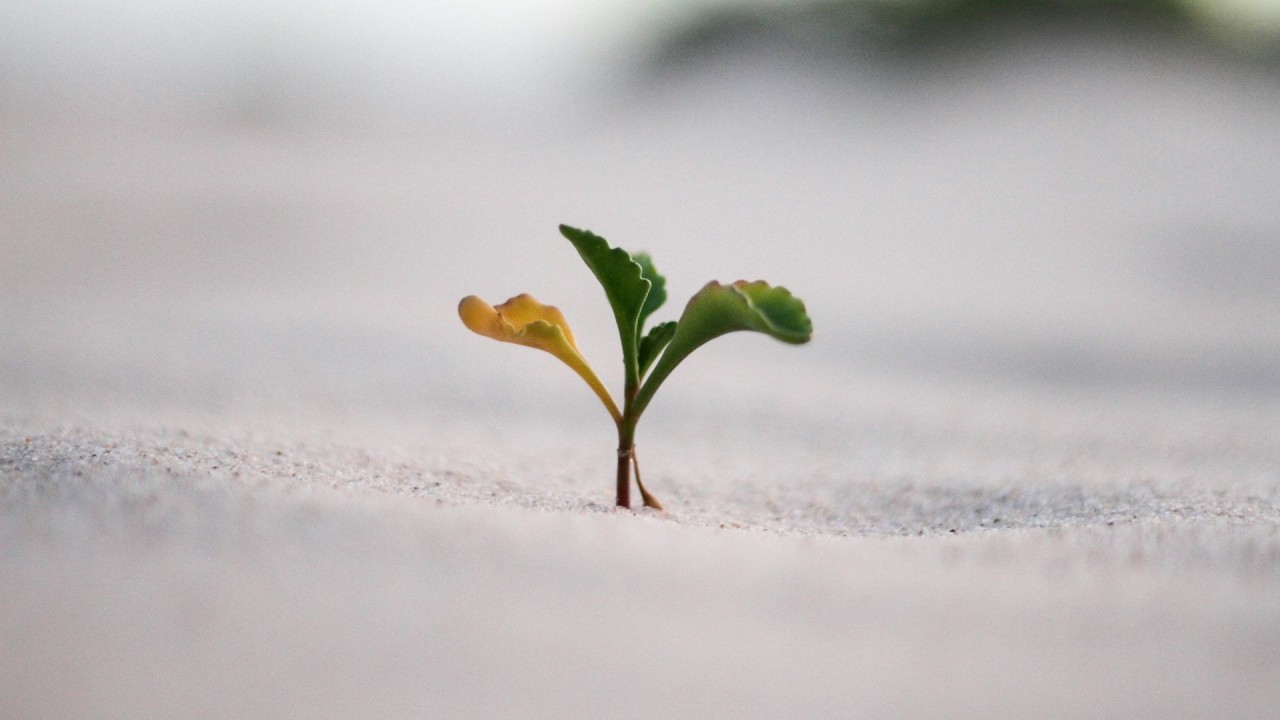
Because white space is not emptiness. It is the blank canvas of possibility.
“Almost everything will work again if you unplug it for a few minutes, including you.” – Anne Lamott
Perhaps it’s time we finally start listening.