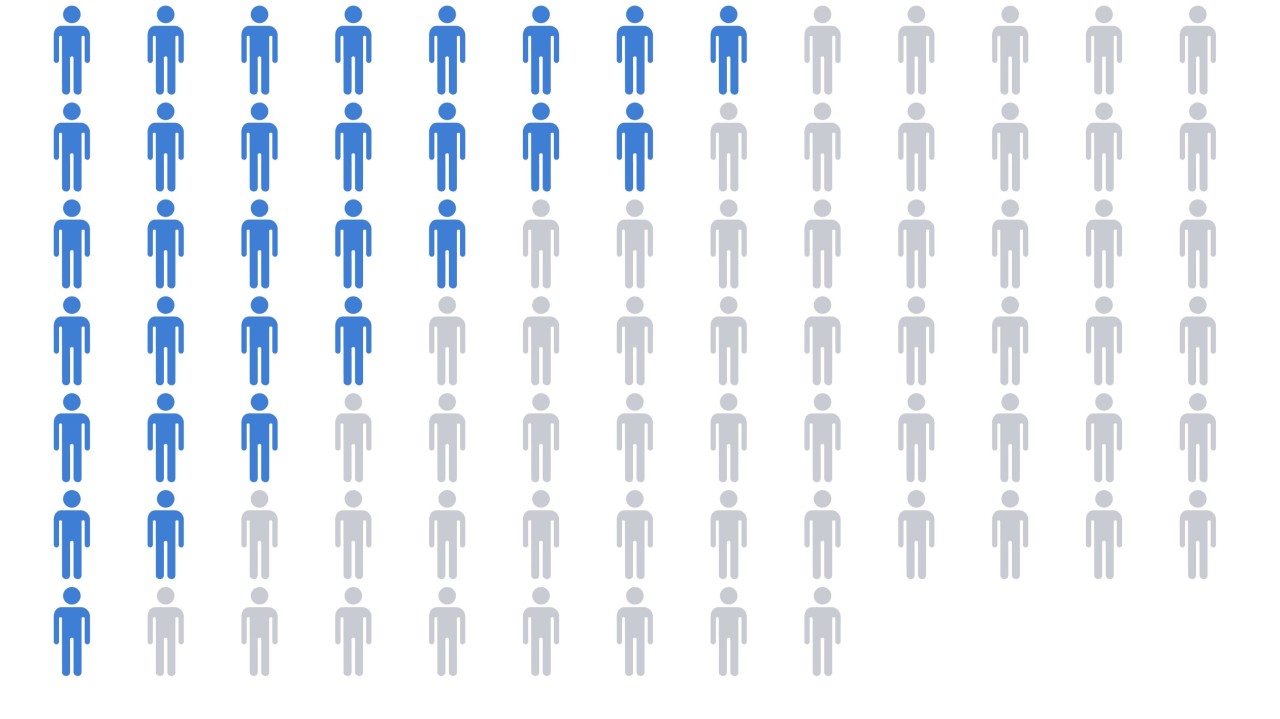


When studying journalism in college, I was taught that messaging is important. One could have the biggest, greatest story but it will not become news until you make it interesting. There are several rules or assumptions (if you will) to turn information into a headline.
The first and the most basic assumption is that the masses are dumb. It doesn’t really mean that individual people are incompetent. It just means that the collective intellect of a group of individuals lies at the lower end of the bell curve. A group is only as smart as its weakest link.
Another assumption is that the masses don’t remember. What is out of sight is out of mind. People focus on the now, and public memory is what you make of it. The same incident can be remembered with joy or with hate depending on the narrative you build around it.
The third assumption is that masses don’t care about facts, they care about emotion. Moving masses does not require details or information, just emotions. Therefore, using an us versus them narrative is the single most infallible weapon in influencing public opinion. Fear sells. We use it to sell bombs and to justify bombings, genocide, and even trade wars.
In social media they say content is king. However, the underlying principle of these assumptions is that context is the throne. It is what silently connects individuals into a cohesive mass.
The shattered context of the modern masses
Once upon a time, context was relatively easy to define. People got their news from the same three TV channels, read the same two newspapers, and discussed those stories in the same local cafés or workplace canteens. Geography and community provided a shared backdrop for information.
Today, that backdrop has been torn apart. The “masses” are no longer one crowd. They are a mosaic of micro-tribes, each operating with its own context, forged not by geography but by algorithms, online subcultures, and personalized newsfeeds.
Two people sitting at the same dinner table can live in entirely different informational universes. One follows political commentary podcasts; another is neck-deep in anime fan theories; the third believes none of the news at all. The scaffolding that once held a shared worldview has collapsed.
Why communication keeps missing the mark
This fragmentation has a strange side effect: even though we can send a message across the world in seconds, we are increasingly talking past each other.
A story that’s moving and persuasive in one’s context falls flat or even backfires in another. The same meme that makes one group laugh will deeply offend another. Without shared reference points, there is no “mass” to move only clusters to cater to.
As George Bernard Shaw famously said, “The single biggest problem in communication is the illusion that it has taken place.” In a fragmented world, that illusion is everywhere.
So, how do we connect now?
If context no longer comes built-in, then it has to be deliberately created. Before you can persuade, influence, or inspire, you have to make sure the audience is standing on the same ground you are.
Think of it like this:
- If you read more books, your vocabulary expands.
- If you travel more, your worldview broadens.
- If you work across different industries, your experience deepens.
Your experiences shape your worldview, your priorities, and your perception. And when you share certain experiences with others, it forges a shared context with that group.
Now, multiply that across thousands (even millions) of people from wildly different backgrounds and life stories. Suddenly, aligning them all with one killer headline or viral post becomes almost impossible.
Whether in public policy, media, or even casual one-on-one conversations, the first step isn’t speaking, it is aligning context.
That alignment starts with assessing and understanding where each group is coming from. You don’t have to be at the exact same junction as them, but you do have to acknowledge the difference. Recognition builds trust; trust opens the door to real dialogue.
Only then can the exchange of ideas happen without dissolving into noise.
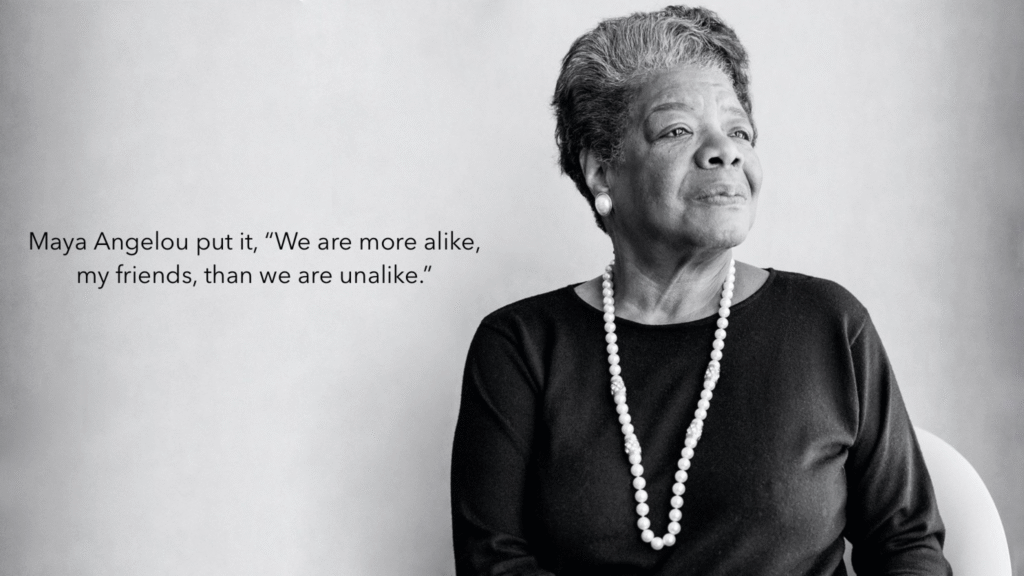
That’s the deepest context available to us, and the one most worth building on.
If we ground our communication, whether it is a news headline, a political speech, or a dinner table debate, in that shared humanity, we stand a better chance of bridging the divides. It doesn’t guarantee agreement, but it does create understanding. And that’s where influence actually begins.
The old playbook of mass messaging assumed that the crowd was unified, distractible, and emotional and it worked for a time. But in today’s fractured reality, context is not just the throne it is the entire kingdom.
Without it, we’re not communicating; we’re just broadcasting into disconnected voids. With it, we might just find that even in a world of splintered perspectives, the masses can still become a mass not through fear, not through oversimplification, but through the slow, deliberate work of building shared understanding.
And that’s a story worth making interesting.