

Introduction
In the high-velocity world of modern work—especially in tech—we talk a lot about growth. Revenue growth. User growth. Career growth. But beneath the OKRs and performance reviews lies a more delicate ecosystem: the systems we use to motivate people.
Salary bands, performance bonuses, promotions, praise—they’re all intended to fuel engagement and drive output. But are they working the way we think they are?
Remuneration, rewards, and recognition aren’t just HR tools; they are culture-shaping forces. When designed well, they create clarity, momentum, and belonging. When left unchecked, they quietly reinforce comparison, disillusionment, and transactional thinking.
This blog unpacks how these three levers—money, appreciation, and status—shape workplace behavior. Not just on the surface, but deep in the psychology and power dynamics underneath. Most importantly, it’s a reflection on how leaders can use them with intention—so the tools don’t become the culture.
1. Remuneration: Compensation or Currency of Value?
Remuneration is the most obvious expression of value in the workplace—an exchange of time and effort for money. But it’s never just about numbers. It’s a symbol of worth, trust, and alignment.
Structured salary bands and market benchmarks feel objective, but they often miss the nuance of what people actually care about—especially today. Gen Z is negotiating not just for cash, but for lifestyle, fairness, and autonomy. They’re more likely to question pay gaps, demand transparency, and challenge legacy structures their predecessors quietly accepted.
Netflix famously redefined expectations with its culture deck: “Adequate performance gets a generous severance.”
Meanwhile, Amazon’s pay restructure shifted toward long-term consistency, slowing upward mobility for mid-level executives. Compensation models are no longer just focused only on growth. This at an industry level maybe a precursory warning sign of a paradigm shift.
The question for leaders: Are we compensating time—or value? Because today, value is not just measured in deliverables, but in alignment with what people truly need to thrive.
2. Carrot and Stick: The Myth of Motivation
The carrot-and-stick model—reward good behavior, punish bad—has long been a workplace staple. Bonuses, promotions, and praise are dangled like incentives. But in reality, they often produce short-term compliance rather than long-term commitment.

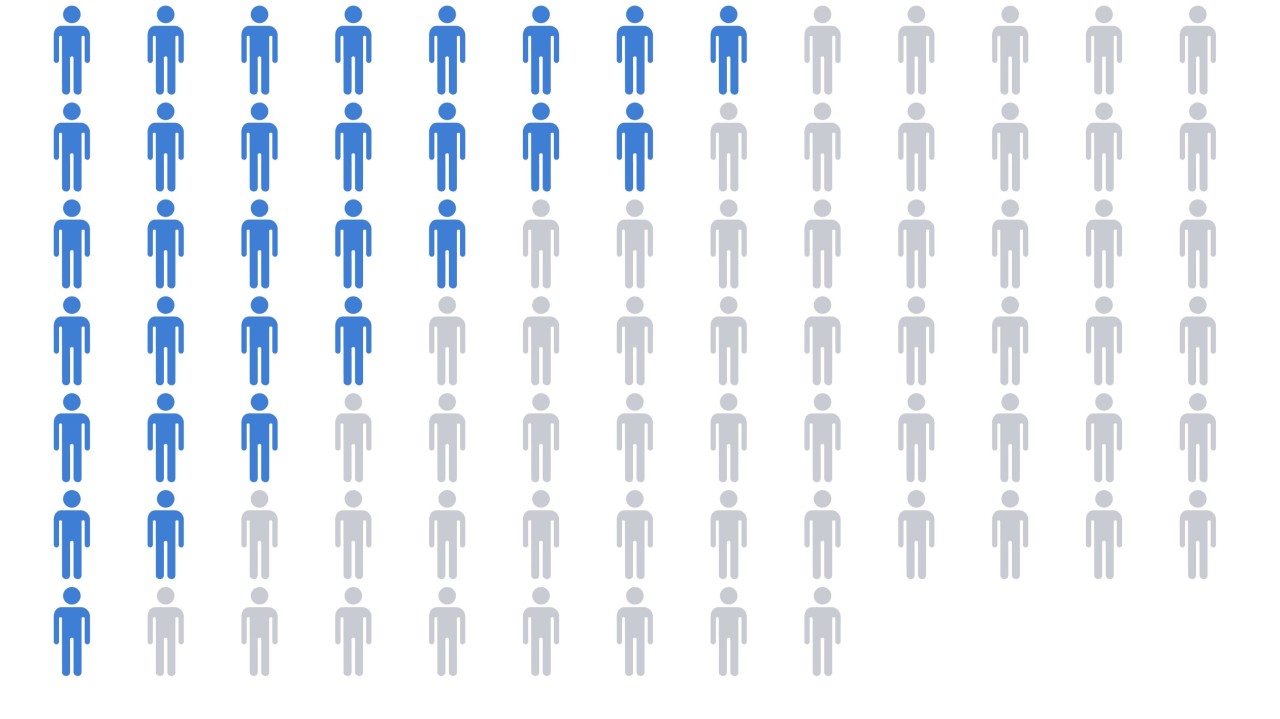
In the book ‘Drive’ by Daniel Pink
In high-autonomy environments like software teams, extrinsic motivators backfire. People begin to optimize for what looks good on paper—cherry-picking projects or avoiding risk to protect their performance scores.
Some companies are rewriting this script. Atlassian, for instance, introduced “ShipIt Days” that let employees work on passion projects with zero constraints. The results? Some of their best product ideas.
Real motivation comes from ownership, not approval. Leaders need to foster environments where curiosity, autonomy, and deep work matter more than just ticking boxes.
3. Rewards: Recognition or Rigging?
Rewards are meant to celebrate contribution—but over time, they can morph into obligation or, worse, manipulation. When rewards become formulaic—gift cards, shoutouts, or rotating awards—they lose their emotional weight.
The danger lies in how rewards are distributed. Too often, they go to those who are most visible rather than most valuable. This leads to a game of optics, where people invest more in being seen than in delivering substance.
Consider the example of a global consulting firm that rotated its “employee of the month” award to maintain fairness. It backfired. People joked it was the “your turn” award, completely detached from merit.

To avoid rewarding charisma over contribution, leaders must build systems grounded in values—not vanity metrics. When rewards feel authentic and rare, they become powerful. When they feel procedural, they lose their soul.
4. Recognition: Titles, Influence, and the Trap of Comparison
Recognition often wears a title—Senior, Lead, Director. It comes with visibility and the social capital of influence. But when recognition becomes the only mirror people look into, it fuels comparison.
“Why them and not me?” becomes an unspoken current across teams. It’s not always envy—often, it’s simply a longing to be seen. In any social psychology, recognition is a double edge sword– it motivate just as much as creates demotivates.

That kind of leadership is invisible. It doesn’t always come with applause. The best contributors may never get the microphone—but they move the room.
Leaders must widen the lens of recognition—beyond hierarchy, volume, or popularity. Because when recognition focuses only on the spotlight, we miss the quiet consistency in the wings.
5. The Common Flaw: External Systems, Internal Blindness
Organizations chase metrics. Promotions. Bonuses. Appraisals. But they often miss the foundation of sustainable growth: self-awareness.
We measure what people achieve, rarely how they achieved it—or what they learned in the process. We equate movement with progress. But without introspection, motion is just noise.
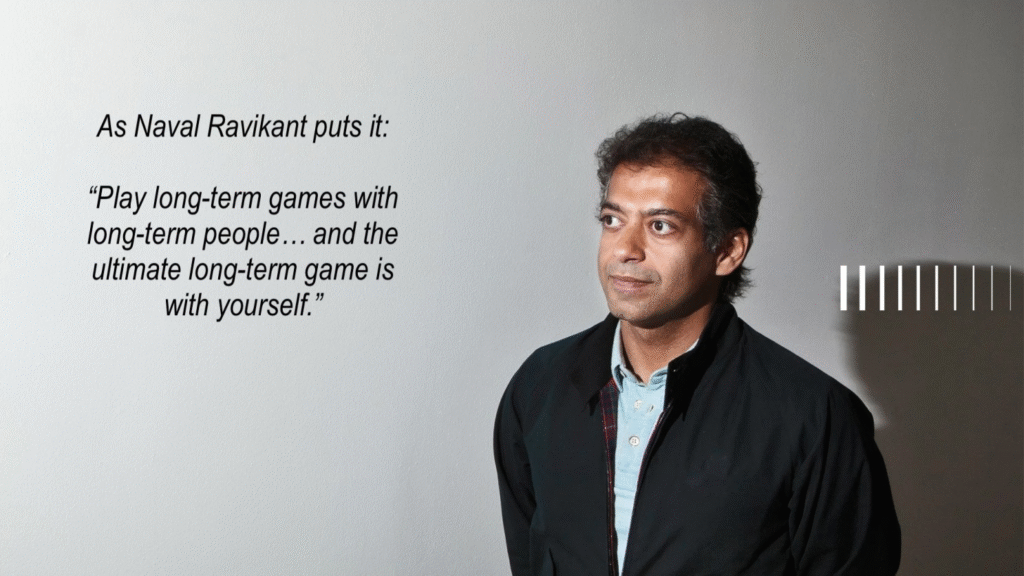
Self-awareness is the real growth engine. It shows up in how a leader handles failure, how a team gives feedback, and whether performance is driven by purpose or performance anxiety.
Without it, rewards become gamified. Recognition becomes political. Compensation fuels entitlement. The most powerful systems are the ones that help people see themselves clearly—not just score better.
Conclusion: Redefining Growth Through Balance
Remuneration, rewards, recognition—on paper, they look like levers of growth. But without checks and balances, they quietly reinforce ego, anxiety, and transactional thinking.
Real growth isn’t just vertical. It’s inward. It’s the kind that builds maturity, not just momentum.
So how can leaders create systems that truly support this kind of growth?
Three Practical Ways to Build Balance
1. Build Reflection into Review Cycles
Don’t just measure outcomes—explore how they were achieved. Use 360° feedback tools and reflective sessions. Make genuine self-reflection a part of the process and culture.
🔸 Atlassian’s “Retrospective Weeks” allow teams to evaluate both impact and process—what worked, what didn’t, and how they grew.
2. Anchor Rewards in Contribution, Not Charisma
Make your reward systems transparent and criteria-driven. Feel free to accept no winner every once-in-a-while. Not every quarter is going to be outstanding. Celebrate behind-the-scenes wins as loudly as public ones.
🔸 Adobe replaced rigid reviews with its “Check-In” system—frequent conversations that reward consistency and growth, not just standout moments.
3. Separate Compensation from Validation
Ensure recognition exists outside formal raises, promotions and designations. Build a culture of acceptance versus one-upmanship.
🔸 Buffer makes all salaries public and runs peer-driven appreciation rituals. Recognition becomes part of culture, not just an event.
In the end, culture isn’t shaped by comp structures or recognition slides alone. It’s shaped by how leaders design systems—and whether those systems reflect what they truly value.