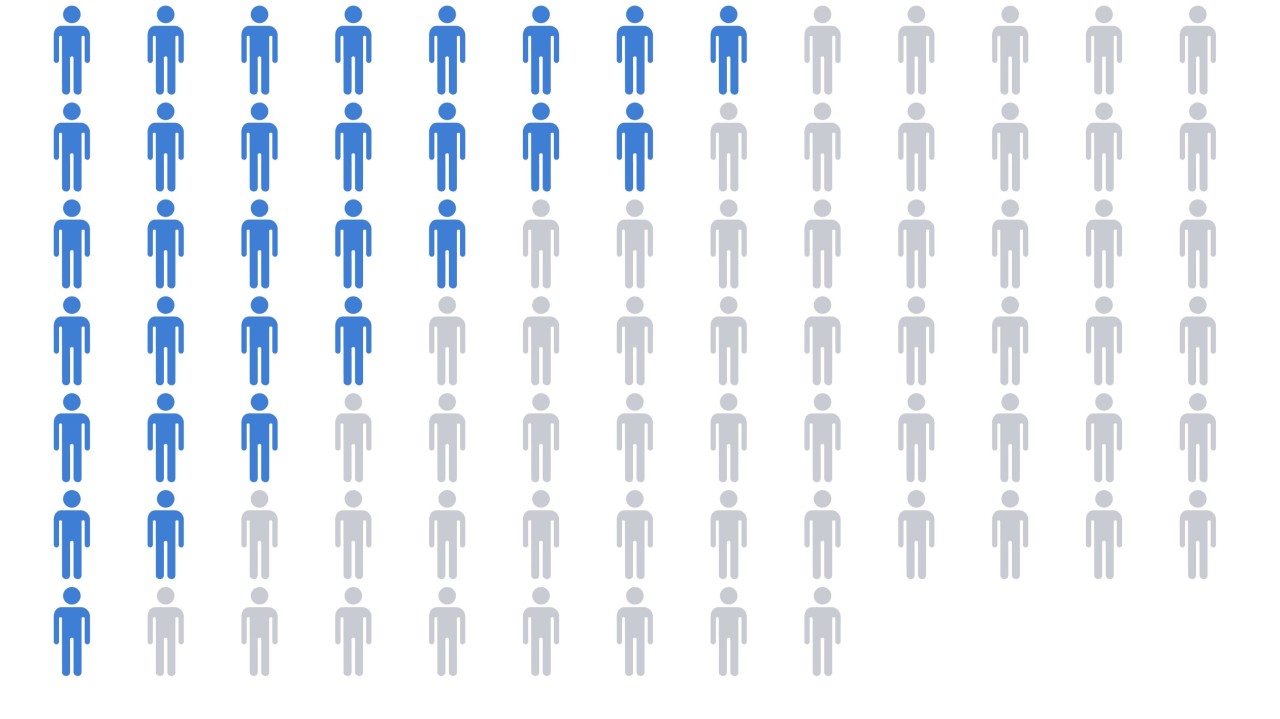

“Everyone is trying to sell something—an idea, a skill, a product, a fear, a comfort, or a service. But no one wants to be sold to.”
Welcome to the greatest paradox of our time.
In today’s hyper-connected world, selling has become second nature. We’re all out here pitching something—our capabilities, our creations, our curated lifestyles—and yet, the moment someone flips the pitch our way, we get squirmy.
We dodge cold calls, skip ads, roll our eyes at influencer “collabs,” and get suspicious of strangers who seem just a little too enthusiastic.
We want to share what we believe in—but hate feeling like we’re being cornered. The moment a suggestion feels like a pitch, our defenses go up.
The truth is, selling isn’t inherently bad—it’s human. What turns people off is the feeling of being manipulated.
We’re All Sellers, Whether We Like It or Not
Here’s an inconvenient truth: we’re all in sales. Every day. All the time. And no, this isn’t some motivational poster slogan—it’s just how modern life works.
Let’s start with the most underrated sales pitch: the job interview. You’re selling yourself—your skills, your story, your five-year plan—with your best “I thrive under pressure” face. But interviews are just the tip of the iceberg.
Every time you suggest an idea in a meeting, post your latest project on LinkedIn, or casually mention your weekend marathon, you’re pitching. Even when you’re silent—your outfit, your car, your Zoom background—they’re all doing low-key PR for your personal brand.
But here’s the twist: while we’re all subtly selling, we’re also constantly being sold to. Your kid wants ice cream—cue the puppy eyes and perfect timing. Your coworker wants buy-in for their idea. Your partner wants a rom-com over your beloved sci-fi. Everyone’s working an angle.
And sometimes, you’re selling to yourself. Justifying that impulse purchase because your boss drives one. Or downplaying your stress because being “fine” sells better. We sell our happiness to look composed, our misery to elicit empathy. It’s all positioning.
The point is: we sell because we want to be seen, heard, understood. And we “buy”—ideas, beliefs, narratives, stuff—because we want to feel something in return.
Whether you’re closing a big deal or negotiating bedtime with a toddler, you’re in the game. And nobody’s really off the field.
Doing the Work Is Only Half the Work
Another harsh corporate truth bomb: doing great work isn’t enough. The other half of the job? Making sure people know you did it. Or better yet, believe no one else could have done it better.
This is where many brilliant minds stumble—especially in tech. Developers, designers, data wizards—they build elegant systems and solve gnarly problems. But in boardrooms, their impact often vanishes behind silence or jargon.
Why? Because boardrooms run on influence—not just competence.
And influence, let’s be honest, is just high-stakes selling. It’s storytelling with graphs. It’s connecting the dots in a way that others can’t unsee. It’s making your work mean something to people who don’t speak your language.
But here’s the catch: influence walks a fine line. At its best, it clarifies. At its worst, it manipulates. There’s a difference between rallying a team and emotionally cornering them. Between sharing value and spinning a narrative.
Especially in corporate spaces—where charisma can outweigh results—recognizing this line is critical. Influence should shine a light, not cast a shadow. Done with integrity, it helps your work speak louder. Done wrong, it’s just smoke and mirrors.
Are We Selling Our Soul?
Let’s get a little existential for a second.
What are we really selling? The product itself—or the feeling it promises?
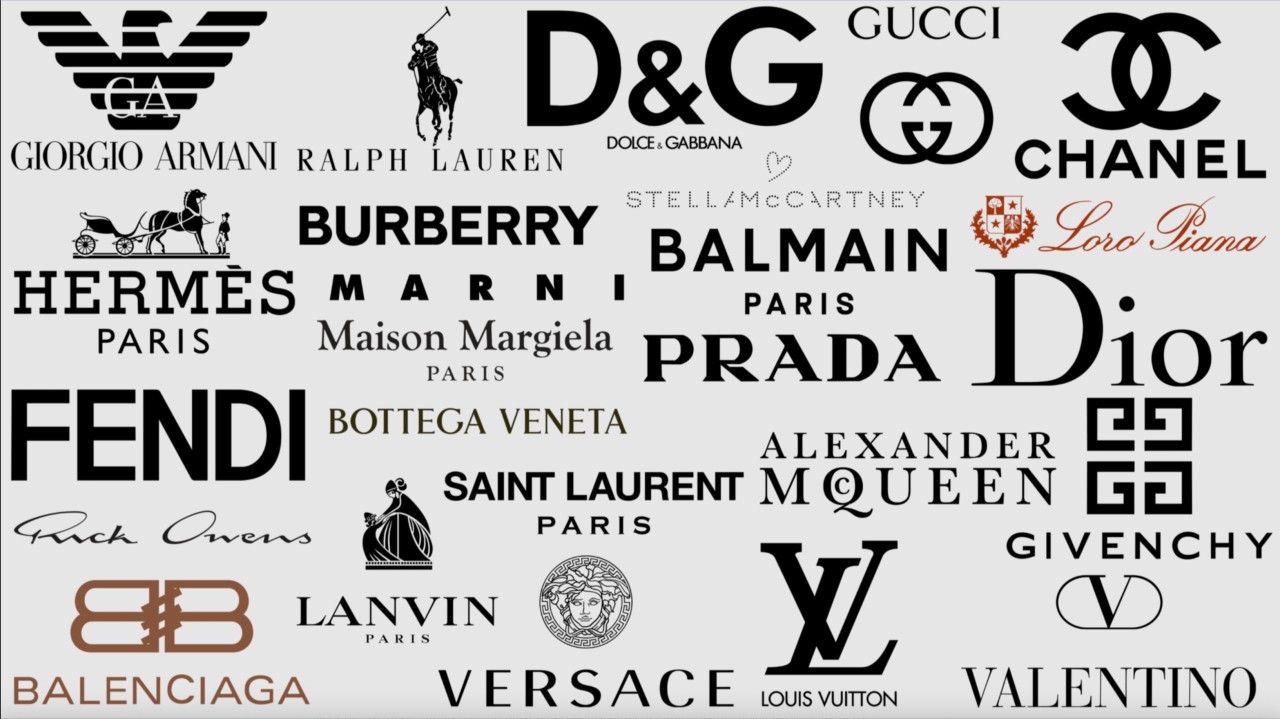
Because more and more, it’s not just products on the shelf—it’s identities, desires, dreams. A luxury car doesn’t just sell horsepower—it sells prestige. A cup of coffee might sell comfort. Insurance? Peace of mind… or anxiety, depending on the copy.
Philip Kotler, the OG of modern marketing, once said, “Marketing is not the art of finding clever ways to dispose of what you make. It is the art of creating genuine customer value.” And that value? Often, it’s emotional.
Simon Sinek puts it another way: “People don’t buy what you do; they buy why you do it.” And that why is usually a feeling.
Every brand wants to make you feel something—powerful, beautiful, safe, successful. So they package a product with a promise: Buy this, and you’ll feel whole.
The thing is—emotions can’t really be bought. You can’t bottle joy or confidence and slap a price tag on it. But marketing sure tries. Over and over again.
Over time, that emotional tug starts to wear thin. It feels rehearsed. Manufactured. Even manipulative.
We weren’t meant to be moved by shampoo.
The more you chase a feeling through a product, the more hollow it starts to feel inside. And that’s the irony: the harder brands try to sell emotion, the less authentic it becomes.
Because feelings aren’t transactions. They’re human. And while a great product might enhance an emotion, it can’t create it from scratch.
From Funnels to Feeds to Feels
Let’s take a moment to appreciate how far sales has come. We’ve evolved from door-to-door pitches to LinkedIn DMs, value-packed webinars, and algorithmically-timed nudges.
Today’s sales game is long-form. It’s nurturing leads, mapping buyer journeys, retargeting, and A/B testing headlines until something sticks. Every click is a data point. Every bounce, a rejection. ROI isn’t just a quarterly report—it’s baked into every subject line.
And in all this optimization, where’s the soul?

AI generated
It’s in why you built the funnel. In content that helps before it hustles. In showing up with actual value instead of just a clever hook.
Because the harder we try to “sell,” the less it lands. Authenticity isn’t optional anymore—it’s the only thing that works.
Just when we were adjusting to human-first selling, along came AI—tireless, polite, and disturbingly intuitive.
From chatbots to dynamic pricing to spooky-accurate retargeting, AI doesn’t just pitch. It predicts.
For sellers? A dream. For buyers? A little too on-the-nose.
That’s where the ethical fog rolls in. When personalization blurs into prediction, and data becomes leverage—who’s really in control?
Is that product recommendation helpful? Or just algorithmic manipulation dressed as empathy?
Just because you can automate connection doesn’t mean you should.
Because no one wants to be sold to—especially not by a machine that knows your breakup patterns better than your best friend.
Real connection can’t be scripted. Or scaled. Or split-tested into existence.
And that’s the irony of modern sales: the more precise it gets, the less human it feels.
So, How Do We Sell Without “Selling”?
Here’s the trick: stop trying to sell. Start serving instead.
People don’t hate sales. They hate being sold to. They hate being pressured, tricked, or treated like a quota. They want to be heard, seen, understood.
The challenge, then, isn’t how to sell. It’s how to connect. To offer something real. To show up with value and leave people better than you found them.
Because when selling feels like helping, resistance fades. And when the solution you offer meets the problem they actually have—well, that doesn’t feel like selling at all.
It just feels right.
The Paradox Lives On
This dichotomy is everywhere. Everyone’s selling, no one wants to be sold to—and yet, the game goes on.
We crave things to fulfil ourselves, but resent the feeling of being made to crave them for external validation.
Modern sales has drifted from value to theatre. It’s no longer just about solving problems—it’s about selling the dream, the vibe, the symbolism.
But symbolism doesn’t lead to satiation. You can’t fill a void with a moodboard.
And so, sales often slips into manipulation. As the line between meaning and marketing gets thinner, trust becomes the real currency.
The real challenge? To sell without pretending. To connect without coercing.
Because in the end, the best kind of selling doesn’t push—it resonates.
And when it does, it doesn’t feel like selling at all. Just… truth that landed.