
This week I was at Token2049, one of the biggest blockchain technology events out there. I met founders, coders, evangelists, and experts — all buzzing with excitement over blockchain and its vast array of use cases. Peer-to-peer transactions, digital wallets, real-world asset tokenization, cryptocurrency — the applications are endless. And so is the promise.
At the heart of it all, technology is supposed to make life easier. That was the original pitch, right? One button for everything. Less effort, more output. But somewhere along the way, you now need a tutorial just to pair your earbuds. Your fridge sends you notifications. And every third day, your apps stage a software coup requiring updates, permissions, and re-logins.
We built technology to reduce our effort. Now we spend most of our effort adapting to it. Welcome to the paradox — the dichotomy of technology. It promises relief but demands vigilance. It was born from matter, designed to serve matter — but somehow it snuck into our minds, our economies, and our identities.
So let’s dig into this contradiction. Why do we keep believing in the promise of progress, even while most of us are just trying to keep up? Maybe we’re not moving forward — maybe we’re just upgrading the hamster wheel.
Matter Serving Matter
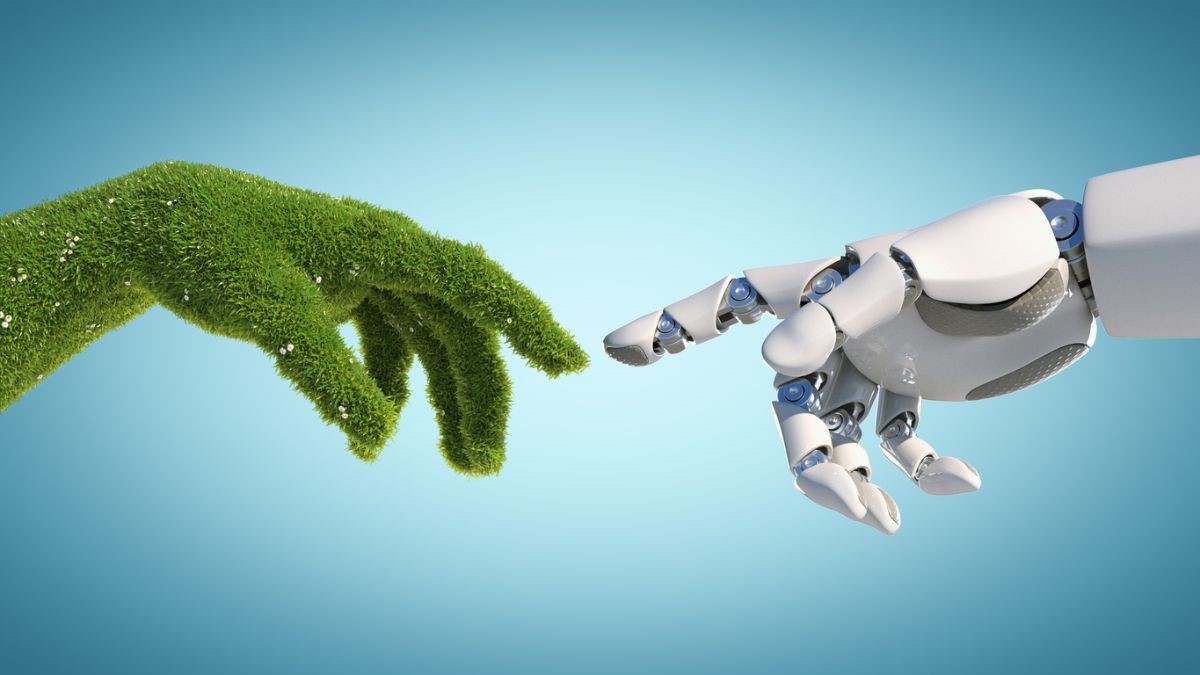
At its simplest, technology is matter rearranged to serve other matter. Nothing more, nothing less. A hammer is metal striking wood. A smartphone is rare metals, glass, and lithium running on electricity. We wrap these materials in sleek design and futuristic language, but beneath the polish, tech is still just objects trying to solve object-level problems.
Historically, technology has served practical, material needs: preserving food, building shelter, transporting goods, extending communication. A refrigerator exists to slow decay. A wheel exists to reduce friction. Fire cooked dinner long before it powered engines. The use cases may have scaled, but the underlying motive hasn’t changed — survival, comfort, convenience.
Yet despite being made of inert matter, technology now governs things far beyond the material. It dictates how we connect, how we think, how we express ourselves, even how we perceive time. It’s moved from a tool to a framework — from servant to something more like a system we live inside of.
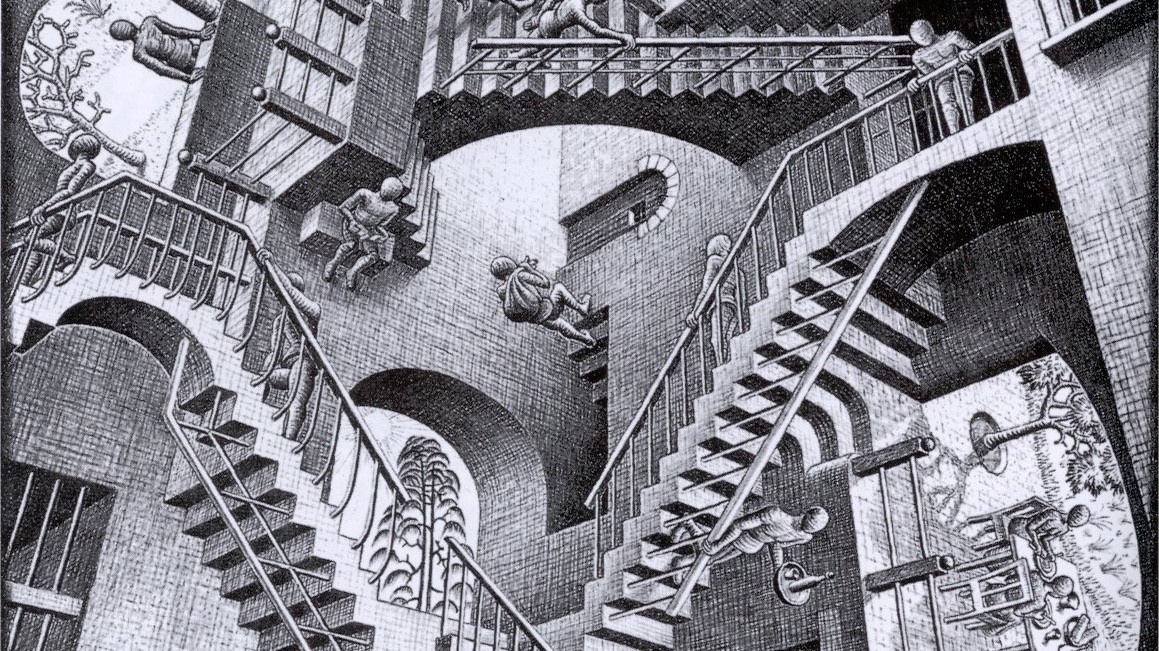
And maybe that’s where the paradox begins. We created technology to serve us, but we often find ourselves serving it. We set the rules, and then bend to its logic.
We built it from the earth, and now it reshapes the earth — digging deeper, running faster, leaving trails of plastic, wires, and heat behind. All for the promise that our individual lives will somehow become easier.

PC: Google images
Output Is King
Technology is obsessed with output. Faster, better, more efficient. That’s the holy trinity. The trouble? The Earth wasn’t built for infinite acceleration.
Every innovation demands input — physical, environmental, and human — and the cost rarely shows up on the packaging. To feed this output machine, we extract aggressively. Lithium and cobalt are mined to power batteries in everything from electric cars to smartphones. And while the end result looks green and futuristic, the mining often leaves behind depleted landscapes, exploited labor, and irreversible ecological damage.
AI models — especially the massive language ones — require enormous computational power. More chips, more cooling, more electricity. Blockchain, particularly during its proof-of-work heyday, devoured energy like a hungry god, at times consuming more electricity than entire nations. It’s not just about what tech can do; it’s about what it costs to do it.
And once we’ve extracted the minerals and built the gadgets, we don’t keep them for long. Planned obsolescence is practically a business model. Last year’s phone is this year’s drawer clutter. Outdated computers, broken appliances, dying EVs — all join the great global junkyard. E-waste is now one of the fastest-growing waste streams on the planet, and we’re not talking about charming piles of floppy disks — we’re talking about toxic metals, chemical-laced plastics, and batteries that refuse to go quietly.
If the waste isn’t visible, the byproducts are — just harder to see. Take the meat industry or oil&gas. Not “tech” in the classic sense, but entirely dependent on complex machinery, logistics, and software to optimize yield. What they leave behind? Methane, CO₂, degraded land, polluted water tables — and sometimes, flaming skies.
Even our most advanced tools can’t outrun the true cost of output. In the race for more, we’re scorching the ground we’re racing on.
The Optimization Trap
If there’s one thing technology loves more than output, it’s upgrades. There’s always a patch, a tweak, a newer version. A marginal gain waiting to be squeezed. No matter how nutritious your food, how efficient your car, how smart your phone — there’s always room for improvement.
And improvement is seductive. In the tech world, “done” is never really done — it’s just a temporary release until the next sprint.
This creates a treadmill effect. You’re running faster, clicking smoother, swiping smarter — and somehow, still not getting ahead. By the time you’ve adapted to one system, another becomes “best in class.” Suddenly your workflow is legacy, your code is deprecated, and your morning routine needs a patch update.
We optimize for productivity, only to spend our days learning how to use the things we optimized with.
There’s a strange irony in it — what begins as ambition ends as anxiety. A quiet pressure to stay current or risk irrelevance. Even rest becomes measurable: steps, heart rate, screen time.
Technology promises to remove friction. But optimization often adds it — quietly, cleverly. A thousand micro-decisions. Notification fatigue. New features you never asked for. All under the shiny label of “better.”
But at some point, we have to ask: better for whom?
Certainty vs. Chaos: The Human Cost
Humans love certainty. We crave patterns, predictability, the comfort of knowing what’s next — even if we pretend otherwise. And technology, for a while, gave us that illusion. Automation. Reminders. Maps. Machines that do what they’re told.
You can now grow food in vertical farms, package it with precision, and have it delivered to your doorstep in under 20 minutes. Amazing. But here’s the catch: technology can build the sandwich, pack the sandwich, and ship the sandwich — it still can’t make you feel full.
It can replicate the structure of human need, but not the satisfaction. It’s why you can scroll through ten thousand motivational posts and still feel behind. Or have 500 connections but feel completely alone.
The more we “technologize” our lives, the more we outsource not just our effort — but our meaning. We start expecting software to soothe existential doubt. Apps to fix our mood. Likes to reflect our self-worth.
But technology evolves through disruption. It thrives on change. Every new version brings potential, but also uncertainty. And each update subtly shifts the world under our feet. That constant instability — no matter how exciting — wears down the human psyche.
Maybe humans weren’t built to constantly recalibrate so often.
In the end, the tools we build to give us control often end up shaping how we feel — not because they’re conscious, but because we keep delegating the power.

PC: Quotes.pub
The Knife Principle
Here’s the philosophical twist: technology is inanimate. Just stuff. Plastic, metal, code, wires — cleverly assembled, sure — but lifeless without a user.
It has no ethics. No agenda. A knife can slice bread or take a life. Electricity can warm a home or fence in a prison. AI can write poetry or generate propaganda. Blockchain can democratize power or facilitate fraud.
Tools don’t carry intent — people do.
So as we chase faster, smarter, shinier tech, we need to ask not just what we’re building — but why. Because the tools will keep evolving. That’s what they do. But it’s up to us to define their purpose.
The real dichotomy of technology isn’t in its mechanics — it’s in its meaning. It promises freedom but often breeds dependency. It saves time but demands attention. It sells certainty, while delivering chaos.
Not every upgrade is an improvement. Not every output is worth the input. Not every use case needs to be used.
In a world drunk on innovation, the most radical thing we might do is pause — and choose with intention. After all, if we’re the ones programming the future, we might as well decide what kind of story we want it to tell.
Blockchain, AI, quantum computing — they’re not inherently good or bad. They’re just tools. Maybe, in our obsession with smarter tech, we forgot we also need wiser humans.
Because in the end, the most important upgrade isn’t software or hardware.
It’s the humanware.